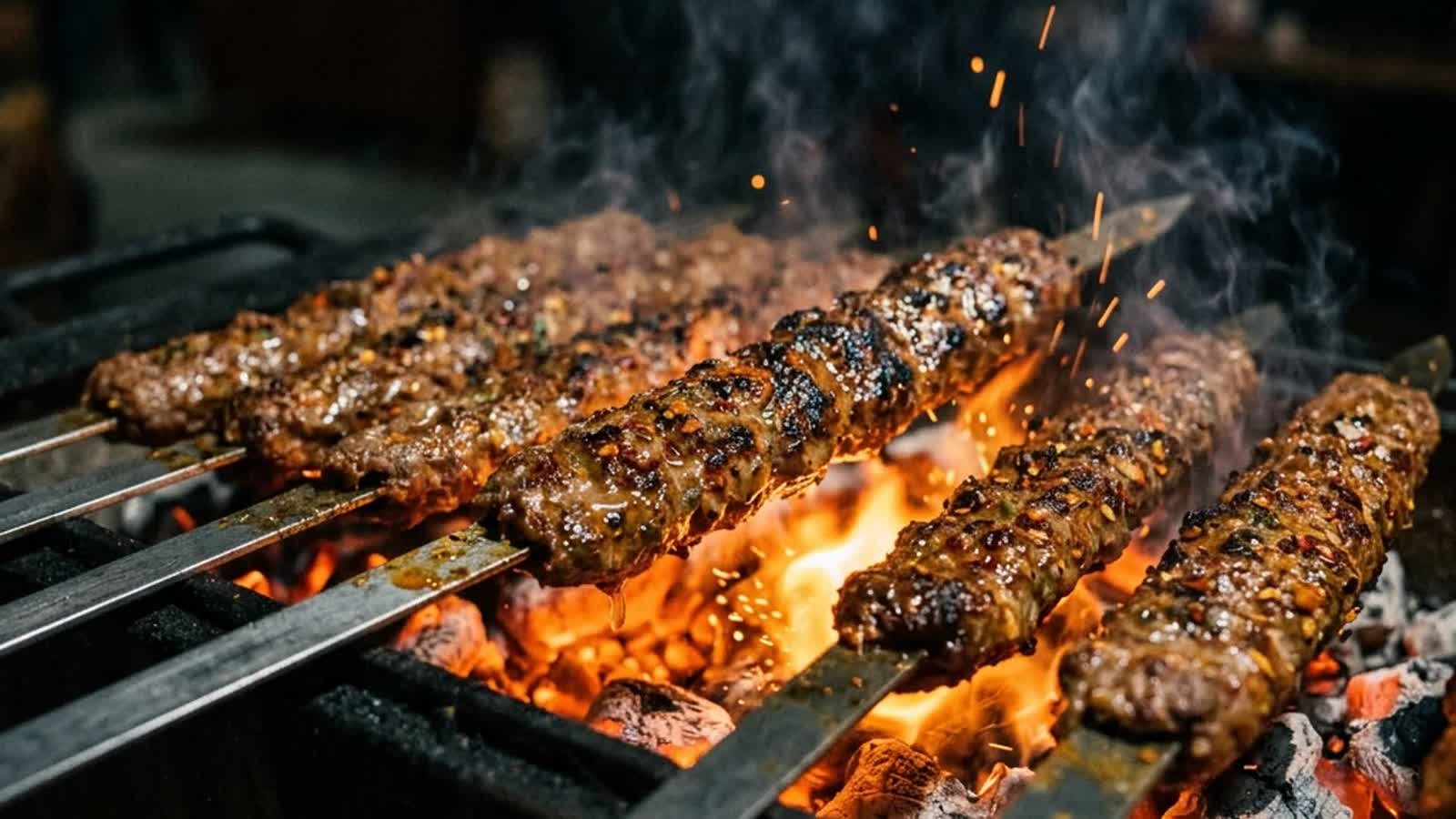


A Mangal is no ordinary grill — it is a 3,000-year-old Turkish tradition and the beating heart of any true turkish restaurant gdansk. We explain what a Mangal is, how it works, what dishes come from it, and where to try it in Gdańsk.
Mangal (written in Turkish as "mangal" and in Polish as mangał) is a narrow, long charcoal hearth fired with real hardwood coals, where all the legendary Turkish grilled dishes — from Adana Kebab to Kuzu Şiş — are crafted. This is not a modern cooking technique — it is a 3,000-year-old tradition with roots tracing back to the nomadic tribes of Central Asia. This guide explains what makes a Mangal (Turkish charcoal grill) different from a standard barbecue, how it works, and the legendary dishes prepared on it.
What Makes a Mangal Different from a Standard Barbecue?
- The Shape — narrow (about 20 cm wide) and long (1–2 meters). This allows flat metal skewers to be placed side-by-side without overlapping,
- No Grate / Grill Rack — the skewers rest directly across the brick edges of the hearth. The meat hangs directly over the hot coals without touching any hot iron, preventing burning and sticking,
- Hardwood Charcoal Only — typically oak or beechwood. Never gas, never briquettes, preserving the clean smokey aroma,
- Balanced Intensity — the temperature is maintained at around 250–300°C (whereas a standard grill often spikes to 400°C+). The meat cooks slightly slower, locking in the natural juices,
- Pure Handcraft — our pitmaster (mangalcı) remains at the Mangal (charcoal grill) for their entire shift, monitoring and rotating every single skewer.
What is a "Mangalcı"?
A mangalcı is the dedicated pitmaster in charge of the Mangal (charcoal grill) — one of the most prestigious positions in a turkish restaurant gdansk. They are considered artisans, not line cooks. In Turkey, an apprentice trains for 5 to 10 years before managing the fire independently. They must read the heat of the coals without a thermometer, know exactly when to turn the skewer by the color of the dripping fat, and identify different cuts of meat by their aroma alone.
Classic Charcoal-Grilled Dishes
1. Adana Kebab — Spicy Ground Lamb Skewer
Named after the city of Adana in southern Turkey. This is hand-minced lamb mixed with red Aleppo pepper, garlic, cumin, and salt, then molded by hand onto a wide flat skewer — this manual shaping is crucial, as machine-pressed skewers lack the proper texture. It is spicy, juicy, and deeply aromatic. It is served with grilled peppers, tomatoes, sumac-seasoned onions, and warm lavaş flatbread.
2. Urfa Kebab — The Mild Skewer
Hailing from the city of Urfa, near Adana. It uses the exact same preparation technique but is prepared without the spicy pepper flakes. The flavor is deep, savory, and smoky. Highly recommended for guests who prefer mild flavors.
3. Kuzu Şiş — Tender Lamb Skewers
Tender cubes of lamb (typically from the shoulder or leg) marinated in yogurt, garlic, olive oil, and wild herbs for 12–24 hours. The yogurt marinade tenderizes the lamb and imparts a delicate, complex flavor. Once grilled over the hot coals, the meat remains incredibly juicy.
4. Tavuk Şiş — Chicken Skewers
Chunks of chicken (breast or tender thigh meat) marinated in yogurt, sweet red pepper paste, garlic, and olive oil. A lighter, delicious alternative for those who prefer poultry over red meat.
5. Kasap Köfte — Butcher-Style Grilled Meatballs
Seasoned ground lamb (sometimes blended with beef) with onions, cumin, fresh parsley, and salt. They are shaped into small patties or logs and grilled over charcoal. Juicy and highly aromatic, they are a staple of the Turkish family table. The word "kasap" means "butcher" — referring to these high-quality, butcher-style meatballs.
Traditional Accompaniments to Mangal Dishes
- Lavaş — thin, soft, freshly baked wheat flatbread, served warm for wrapping the grilled meat,
- Acılı Ezme — a spicy, finely chopped tomato and red pepper salsa, perfect for those wanting to add extra heat,
- Sumac Onions — raw red onions dusted with tangy, crimson sumac spice, which cuts beautifully through the rich fats of the meat,
- Grilled Peppers and Tomatoes — roasted on separate skewers alongside the meats,
- Pilav — buttered Basmati rice sometimes finished with pine nuts,
- Ayran — the chilled, salted yogurt drink which stands as the ultimate partner to charcoal-grilled meats (read more about Ayran).
How to Spot a Masterfully Grilled Mangal Dish
- A distinct smoky aroma — natural and rich, never acrid or smelling of chemical firestarters,
- Beautifully seared exterior — a deep golden-brown char in places, without being burnt or dried out,
- Juicy, center — the kebabs and meatballs must remain moist and tender inside,
- Well-rendered fat — visible and glistening, showing the skewer was grilled at the correct high temperature to sear the outside while keeping the fat flavorful,
- Warm lavaş — served fresh and piping hot alongside the meats, never cold or stale,
- Sumac onions — sliced fresh for your order, never soggy or prepared hours in advance.
History of the Mangal — From the Steppes to Istanbul
The Mangal is one of the world's oldest culinary apparatuses. Developed by the nomadic tribes of Central Asia (ancestors of modern Turks), it allowed them to prepare warm meals in temporary camps where building a permanent oven was impossible. Traveling through the Eurasian steppes, Persian cities, and the markets of Byzantium, it arrived in Anatolia alongside the Seljuk migrations in the 11th century.
During the Ottoman Empire, grilling became a highly refined art — the Sultan's palaces, roadside caravanserai, and grand bazaars all featured dedicated mangalcı. The Mangal also holds deep cultural significance — a meal prepared over it is inherently communal, meant to be shared with family and friends rather than eaten alone.
Read the full history of this grilling tradition: Mangal — The Ancient Turkish Art of Charcoal Grilling.
A Mangal is not just a tool. It is the perfect meeting of fire, meat, and time — which must be guided by human touch, not by a clock.
Mangal at Bosfor & Bałtyk — Gdańsk Wrzeszcz
Our custom Mangal (Turkish charcoal grill) is fired up daily from morning at Aleja Grunwaldzka 76/78. Positioned in our open kitchen, you can watch our master pitmaster (with over 10 years of experience in authentic Turkish kitchens) expert-handle the metal skewers. We use premium Polish oak charcoal, certified halal meat, and hand-mince our lamb for the Adana Kebab.
Our charcoal-grilled menu includes: Adana Kebab, Urfa Kebab, Kuzu Şiş, Tavuk Şiş, Kasap Köfte, a mixed grill platter for 2 or 4 guests, and a kid-friendly mini Tavuk Şiş. We highly recommend starting with our tasting platter — a generous selection of different skewers made for sharing.
What To Order with Your Mangal Dishes
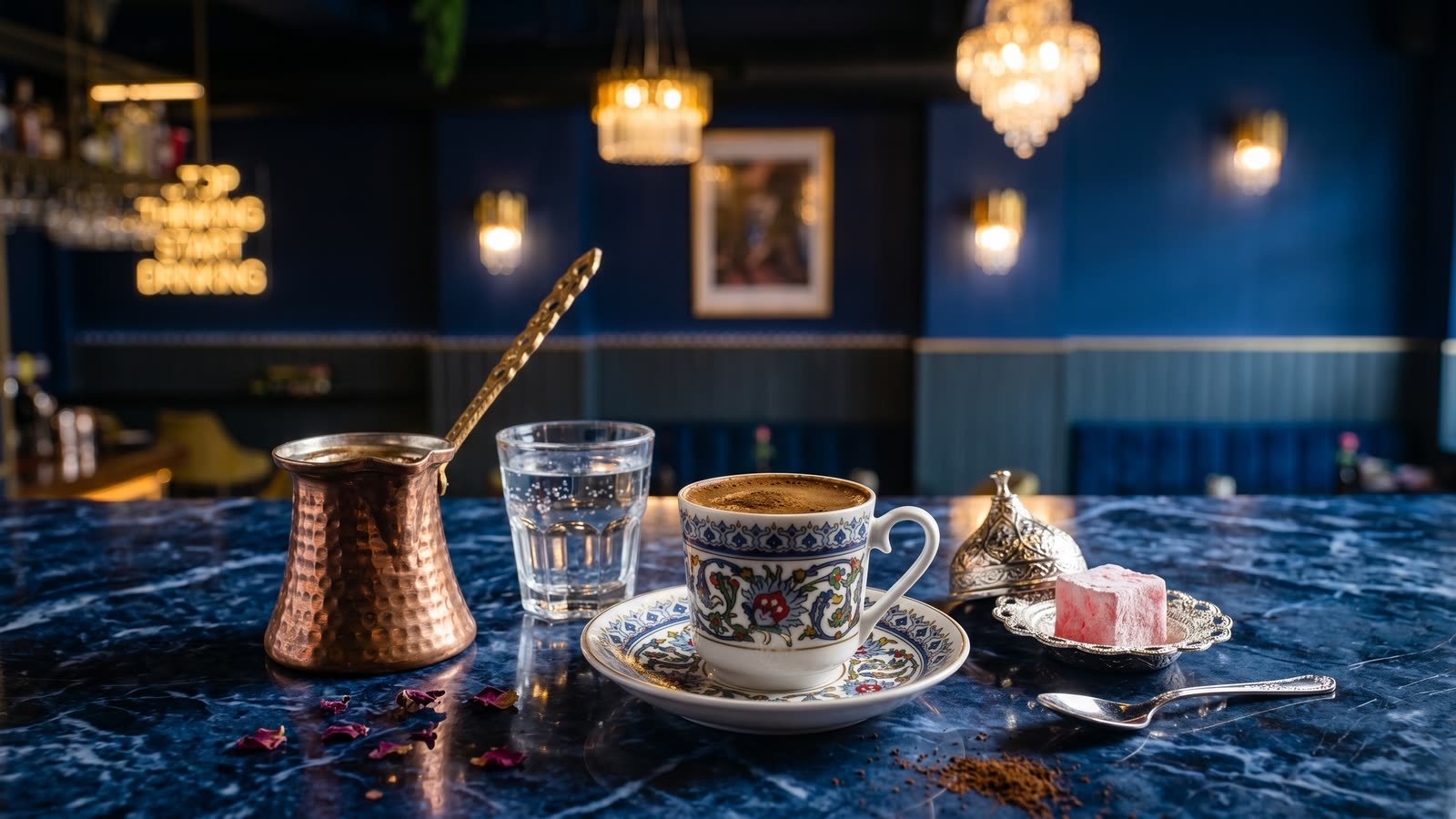
The classic choice is Ayran (salted yogurt drink). If you prefer wine, choose a dry red (such as Turkish Öküzgözü or a Cabernet). A crisp pilsner or light lager beer also pairs beautifully. For dessert, try sweet Baklava (Turkish sweet pastry) or sizzling Künefe (sweet cheese pastry), finished with a traditional Turkish coffee.
Reserve a Table with a View of the Mangal
We recommend requesting a table near our open grill when booking — the atmosphere is incredible, and watching our pitmaster at work is a visual treat. Call us at 📞 +48 452 001 081 or book online.